How we knit our team socks
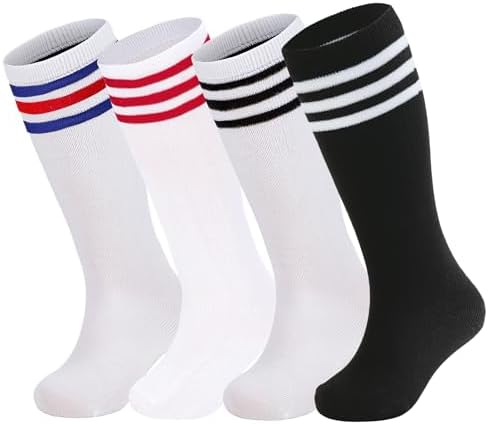
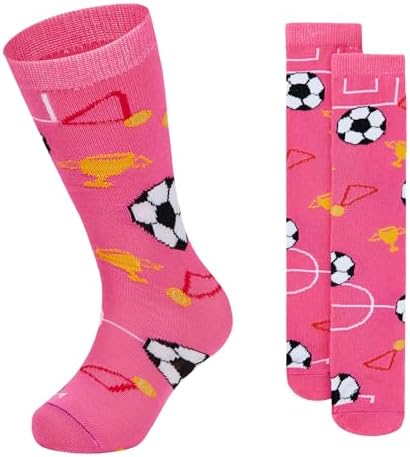
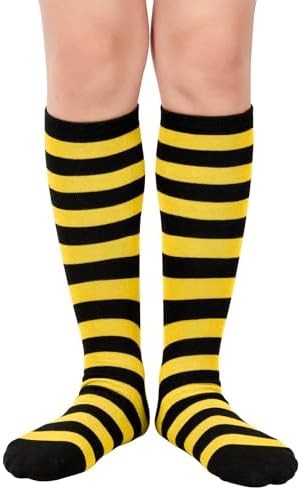
A team sock has a job to do on the field, and the way we knit it decides how it stays up. We build knee highs, cushioned crews and tube socks with different rib depths, heels and soles. Here is how the knit works and what to check before you pick a pair.
How the long rib holds the leg
The top of a knee high sock is not an elastic band sewn into a hem. We knit it as a long band of rib that is tighter than the lower leg. It stays up because the whole ribbed section stretches across the widest part of the calf. That wide contact area keeps the sock in place without cutting in along a single narrow line. If the rib is too short, the sock slides down as you run. When we knit the rib deep, the grip is spread out evenly. The lower leg then drops down toward the ankle in a flatter knit that fits under shin guards.
Shaped heels and straight tube construction
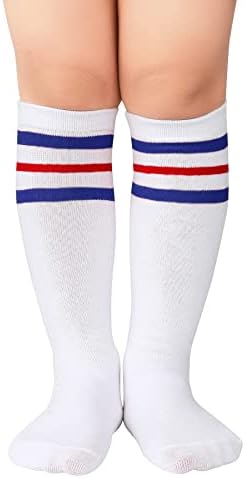
A shaped sock has a heel knitted into an angle that matches the foot. That keeps extra cloth from bunching across the front of the ankle when you bend your foot. A tube sock is different. We knit a tube sock as a straight cylinder with no shaped heel at all. That means the heel forms wherever your own heel lands inside the knit. It makes the sock simpler to put on, and it means the same pair fits growing feet across several seasons. But you will notice a little extra cloth gathering over the top of the ankle during play.
What extra yarn in the sole does
Cushioning is not foam or padding sewn into the foot. It is simply extra yarn knitted into the bottom loops of the sole. We knit the top of the foot thin so air moves through the knit easily inside a cleat. The sole gets the heavier loop build. That thicker base dampens the strike of each step on hard ground. The trade is plain: more yarn holds more wash water, so a cushioned foot takes longer to dry on the line than a plain team sock. It also makes the foot feel warmer during summer games.
Checking the toe seam across the foot
The toe seam is where the knit cylinder gets closed at the front of the machine. On our sport socks, we link that closure so the ridge sits flat against the tops of the toes rather than bunching inside the toe box of a shoe. A bulky seam rubs when you kick or sprint. We keep the seam line low and flat across the top of the foot. When you pull the sock on, the seam should sit right over the base of your toenails without twisting. If the seam pulls sideways, the foot of the sock is twisted on your leg.
Washing heavy sport knitwear
Team socks are made to be worn hard and washed often. Mud and field dirt work into the rib, so we build these pieces for normal cold machine washing. A cushioned sole needs good airflow on the line because the doubled yarn holds onto water longer than the thin upper leg. We do not use delicate finishing on these pieces. They are everyday team gear meant to go straight into the wash after a match and dry in time for the next practice session. Turn them inside out so the sole loops wash clean.
- Our sport socks section holds 41 knee high socks, cushioned crews and tube socks for adults and kids.
- Our entire catalogue holds 153 pieces sorted across 8 different sections.
- The rib on a knee high sock grips the leg by stretching across the calf.
- A tube sock is knitted as a straight tube without a shaped heel.
- Cushioning adds extra yarn into the sole, which makes the sock dry more slowly.
Finding the right pair for your sport
Pick a shaped knee high if you want a flat fit under guards. Pick a tube sock if you need an easy fit for growing kids. The purchase is completed on the storefront that carries our pieces, where you can check the full rack of team socks.
See sport socks