How our swimsuits are cut and stitched
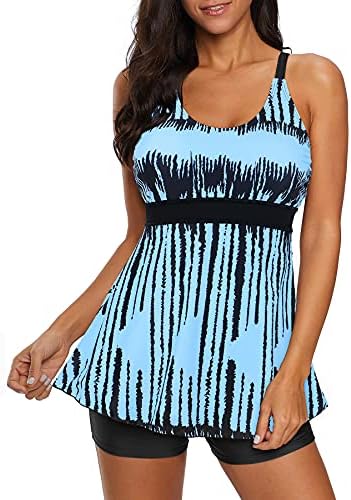
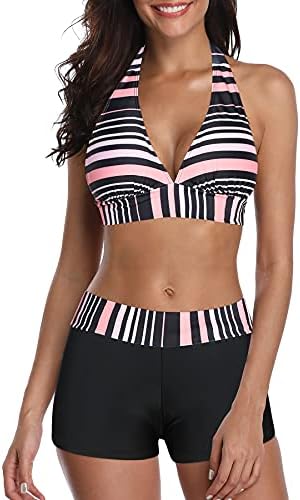
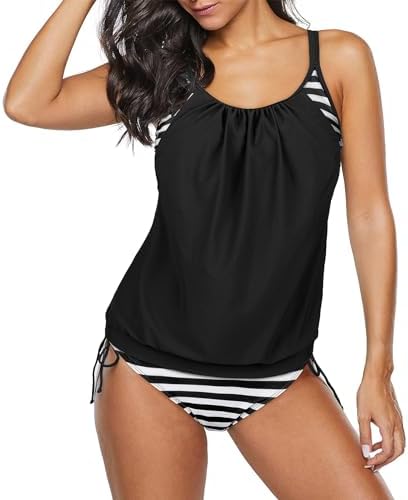
We cut 21 one piece and two piece suits, tankini tops, swim shorts, rash guards and cover ups in our swim and sun section. Swim cloth has to stretch across and down, and the stitches along every edge must move with it or snap when you pull the piece on.
Stretching in two directions across the body
We knit swim fabric with elastane so it gives in both directions. When you step into a one piece suit, the cloth widens across the hips and lengthens down the torso at the same time. The thread in the seam has to match that movement. A rigid straight stitch snaps on the first pull, so we sew our swim hems and joins with looped stretch stitches. The lining sits flat behind the outer face to give the suit body and keep it opaque when wet. If the tension between the two layers is off, the edges roll outward at the neck or the leg.
Straps and closures built for movement
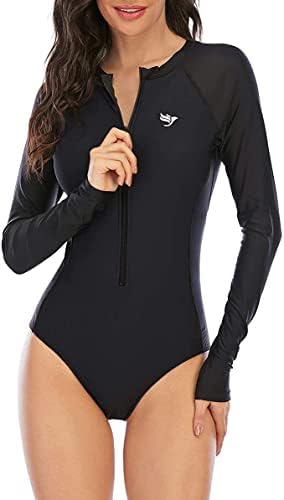
Look closely at how the top stays in place before you choose a cut. A fixed strap keeps its length for the life of the suit, while an adjustable strap lets you reset where the chest band sits as the cloth softens. Back closures work the same way. A metal clasp holds the band firm around the ribs, while a pullover back relies entirely on the stretch of the knit. A rash guard uses flat seams that sit flush against the chest and back, with a neckband that stretches over the head and returns to rest flat against the collarbone.
Leg openings and inner shelf construction
The leg opening takes constant strain as you walk and kick in the water. We bind the edge with rubber elastic hidden inside the seam, or we turn the self cloth over and stitch it down. A bound opening grips the top of the thigh and holds its shape through hard laps, while a turned edge lies softer against the hip. Inside the tops and suits, some pieces carry a separate shelf lining with an elastic band that sits beneath the bust. Other pieces use a single layer of knit cloth across the front to keep the garment light and quick to dry.
What pool water does to elastane yarn
Elastane gives a suit its snap, but chlorine and salt weaken those fine synthetic strands over time. The yarn thins out, loses its memory, and stops pulling back against the body. This is why a cold rinse right after you get out of the pool is the whole care routine. Rinsing clears the chemical residue before it settles deep into the knit. Do not wring the suit hard or toss it into a hot dryer. Lay the piece flat in the shade so the elastic cools down and dries without extra tension pulling on the wet seams.
The honest limit of swim cloth
No swim knit holds its original tension forever. A suit worn twice a week in chlorinated water will thin out and go slack much faster than one worn twice a summer at an open lake. The elastic in the seat and the straps gives out first because those spots take the most friction and pull. When the cloth starts to bag at the hip or ripple along the leg seam, the elastane core has broken down. Our suits are made for regular swimming, and understanding how the seams work helps you track their wear.
- We cut 21 one piece and two piece suits, tankini tops, swim shorts, rash guards and cover ups.
- Our catalogue holds 153 pieces sorted across 8 different sections.
- Elastane knitted into the swim fabric allows the cloth to stretch in two directions.
- A cold water rinse after swimming clears pool chemicals out of the knit fibers.
- Internal elastic along the leg opening keeps the suit edge seated against the thigh.
Completing an order for swim pieces
Our full range of swim and sun knitwear is available through the storefront that carries our pieces. Choose the strap type and leg cut that matches how you move in the water. When you finish your selection, the purchase is completed on the storefront that carries our pieces.
See swim & sun