What a hat does at the brow
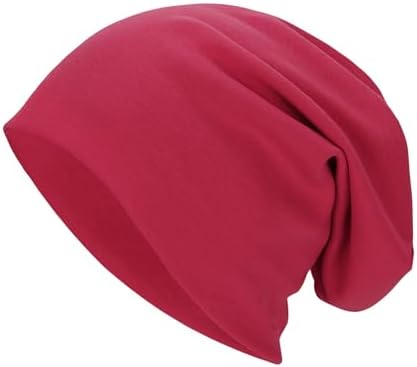
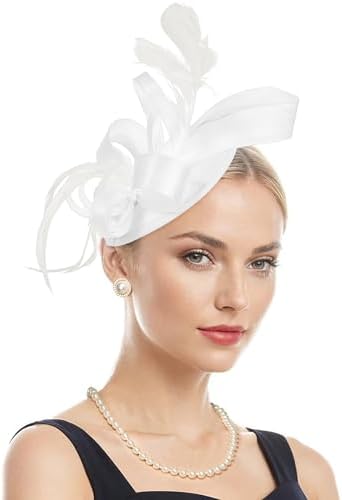
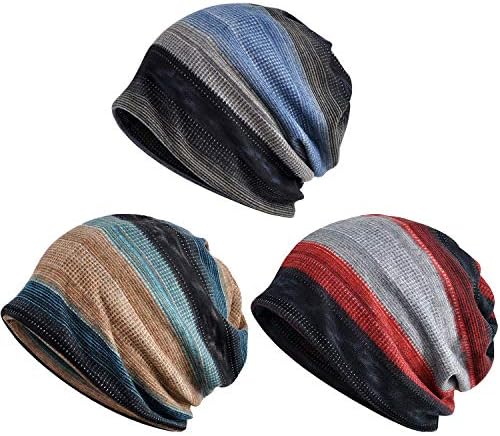
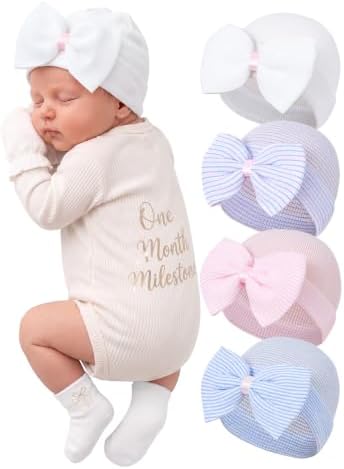
A hat stays on because the band at the brow is knitted narrower than the crown above it. That tension keeps cold air out and keeps the cap from slipping when you move. We knit 20 beanies, cuffed caps, bucket and sun hats, headbands and ear warmers.
How a rib tube becomes a beanie
A knitted beanie starts as a continuous tube of rib. We knit the band at the brow with tighter stitches than the body so the piece stays put without a drawstring. At the top, the knitting machine narrows the tube through gathered decreases before closing the crown seam. A foldover cuff adds a second layer of knitted yarn right over the ears and forehead. That doubled rib grips firmly. If you unfold the cuff or choose an uncuffed cap with a single turn, the knit sits flatter against the head and leaves less of an impression once removed. A firm band stays put and presses; a loose band does neither.
Crown decreases and where tension sits
The shape of the top changes where the yarn pulls. A beanie with long decreases shapes gradually toward the crown, spreading tension down the full length of the rib. A cap with rapid decreases gathers sharply at the peak, which pulls the yarn upward and concentrates most of the grip directly along the brow line. When you pull the hat down low over your ears, the band stretches wider to accommodate the skull. The knitted loops widen, opening gaps for air while pulling harder against the forehead. A taller crown leaves slack at the top, which allows the brow band to sit without being pulled upward by your movement.
Brim construction on sun and bucket hats
A brimmed hat uses sewn seams and woven panels rather than a single knitted tube. Our bucket hats use concentric rows of topstitching across the brim to give the cloth structure. Without those stitched rings, a wet or worn brim collapses downward over the face. Our sun hats take two different paths at the outer edge. Some hold their form through dense weave alone, letting the edge ripple slightly in wind. Others have a flexible wire sewn directly into the outer hem casing. That wire lets you bend the brim up or down, holding the edge flat without relying on heavy cloth weight.
What wash water does to the crown
Knitted hats need a cold wash and a flat dry. Warm wash water relaxes the yarn loops, especially where the knit was stretched hard over the head during wear. The crown seam is where the knit loses shape first. When wet yarn hangs from a line or tumbles in heated air, the gathered decreases at the top stretch open under the weight of the damp cloth. The crown becomes pointy and loose, and the brow band loses its snap. Laying the damp cap flat on a dry towel allows the ribbing to dry at its original tension so the band keeps its grip.
Choosing between firm hold and lighter wear
Headbands and ear warmers use a straight band of horizontal ribbing without any crown closure above them. Because there is no top seam pulling upward, these open bands can be knitted wide to distribute grip across the forehead and temples. They hold their position through surface area rather than a narrow band of concentrated squeeze. If you need a cap for heavy wind, choose a deep foldover cuff with a tight knit gauge. For mild days indoors or under a hood, a single-layer cap with a relaxed rib gives you warmth across the ears without pressing hard against the brow.
- Our catalogue holds 153 pieces across 8 sections.
- We knit 20 beanies, cuffed caps, bucket and sun hats, headbands and ear warmers.
- A beanie is a knitted tube of rib closed at the crown with machine decreases.
- Folded cuffs double the knitted layer over the forehead and ears for a firmer grip.
- Concentric rings of brim stitching give a bucket hat structure without using a wire.
Washing and drying your headwear
Wash knitted caps in cold water and dry them flat on a towel away from direct heat. Hot water and tumble drying stretch the crown decreases and loosen the brow rib. When the purchase is completed on the storefront that carries our pieces, choose the band style that matches your weather.
See hats & beanies