How everyday layers handle all day wear
A layer that stays comfortable through a long shift comes down to plain construction choices. We cut eighteen tops, tees, dresses, jackets and everyday outer layers across our catalogue of one hundred and fifty-three pieces. Seams, hem finishes and lining placement dictate how cloth behaves when you move.
Where shoulder seams meet the arm
Where the shoulder seam sits decides how far an arm lifts before the whole garment moves with it. A seam set directly on the shoulder bone gives a clean line while standing still. That same seam pulls the entire hem upward the moment you reach forward. A seam set past the shoulder bone drops lower and buys reach. The cloth bunches slightly at the armpit when resting, but the waist stays put when your arms go up. Sleeves cut in one piece with the main body provide extra room through the chest, while set-in sleeves keep excess fabric out of your way.
What a garment lining does
A jacket lining exists so a sleeve can slide over whatever you wear underneath it. Cloth catches on rougher knits without a smooth barrier inside. A jacket lined through the entire body adds weight and holds warmth close to the chest. A piece lined only across the upper back allows air to move through the lower panels while easing the pull across your shoulder blades. When you put on an outer layer over a thick sweater, the slick lining in the sleeve stops the cuffs from bunching up around your elbows.
How hems finish at the bottom
Look at how a bottom edge is built before you wear it through a full day. A hem that is turned and stitched flat holds a rigid horizontal edge. It stays straight against trousers but resists stretching when you sit down. A knitted edge flexes with the yarn loops. That flexibility lets the bottom band expand when you bend and return when you stand. We use stitched hems on pieces meant to hang straight and open rib bands where the cloth needs to give across the hips.
Why knitted and woven fabrics differ
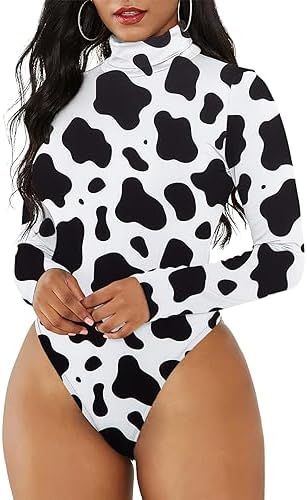
A knitted top and a woven top of the same weight behave nothing alike once you sit down in them. Woven cloth is formed by straight threads crossing at right angles. It holds its exact shape, so extra room must be cut into the pattern itself or the fabric pulls tight across your back. Knitted yarn is a series of interlocking loops. The loops open wider as you bend and draw back together as you stand. That built-in give means a closer cut remains practical through hours at a desk.
Where the front closure stops
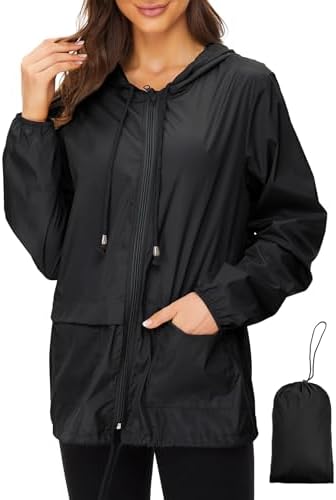
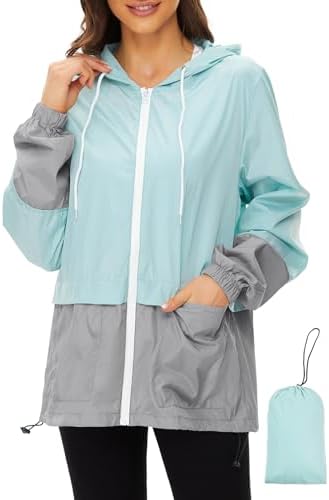
The front zip on a jacket changes how the neck behaves throughout the day. A zip that runs all the way to the top of the collar stands rigid against the throat when pulled up. It keeps wind off the neck but pushes against the chin when you tilt your head down to read or type. A zip that stops below the collar leaves the neck open to fold back naturally. You get an open collar that lies flat across the collarbone without rubbing.
- We cut eighteen tops, tees, dresses, jackets and everyday outer layers in our range.
- Our catalogue holds one hundred and fifty-three pieces sorted across eight distinct sections.
- A shoulder seam set past the bone gives extra reach without dragging the hem up.
- Linings inside sleeves allow outer layers to slide smoothly over heavy base garments.
- Knitted cloth stretches with interlocking loops while woven fabric relies on pattern ease.
Choosing layers for daily use
Building a comfortable outfit means checking the seams before putting a garment on. Look at the collar height, the sleeve attachment and the finish along the hem. Our clothing and outerwear section is built for daily routines, plain washing and practical wear. When the cut matches how you move, the piece stays comfortable from morning until night.
See clothing & outerwear