Washing knitwear so the stretch stays true
Heat does not rip a seam right away. It slackens the stitch over weeks of laundry until a cuff drops and a waistband forgets to recover. We knit these pieces for regular wear, and a steady wash habit keeps the ribbing doing what the machine set it to do.
Sorting by weight saves thin yarn
Sort loads by how heavy the cloth is. When sheer tights tumble against a thick thermal or a heavy blanket hoodie, the heavier piece drags the fine loops out of true. Fasten every clasp, zip, and hook before anything goes into the tub. A loose metal prong catches a toe seam or snags the face of a knit wrap. Turn patterned socks and knit hats inside out before washing. That simple turn keeps the outer face from rubbing against the metal drum. Put thin tights and anything with a narrow strap into a mesh laundry bag so the pieces cannot twist around the agitator.
Cold water protects the knitted stitch
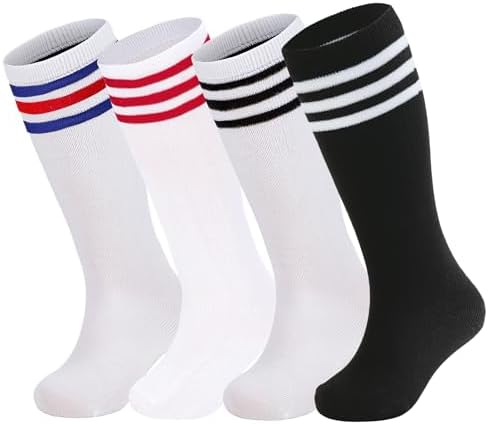
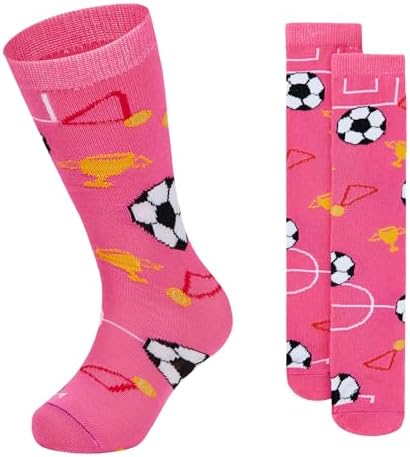
Wash knitted pieces in cold water. Hot water relaxes the tension we build into the sock heel and the rib knit at the ankle. A cold wash cycle clears out dirt without loosening the yarn structure. Bleach weakens knit stitches until they snap, so leave it out of the tub completely. Everyday knitwear does not need harsh chemicals to come clean. A plain detergent and cold water keep the yarn firm across the foot and through the waistband. We make team socks and daily wear to take repeated washing, but cold water is what lets the yarn spring back when the wash finishes.
Drying flat keeps ribs in place
Lay knit pieces out flat on a towel to dry. If you hang a heavy sweater or a thick scarf on a hanger, the weight of the water pulls the shoulder seams long and leaves the hem uneven. Hot tumble drying shrinks some yarns and leaves rib cuffs loose over time. Keep knitwear away from direct radiators because high dry heat makes yarn brittle. For swim pieces, rinse them in fresh cold water and hang them to drip dry instead of twisting the fabric. Wringing out swim cloth pulls at the seams and stretches the lining away from the outer shell.
Checking the recovery on older garments
Every knitted garment reaches an end eventually. The way to tell a piece is finished is by testing the recovery of the knit. Pull a sock cuff or an elasticated waistband out gently and let go. If the yarn pulls back promptly to its original width, the piece still works as intended. If the rib stays wide and leaves slack fabric against the calf or waist, the stretch has broken down. At that point, no amount of washing or line drying will reset the stitch. When the recovery stops, the piece has done all the work it can do.
Looking after everyday sock heels and cuffs
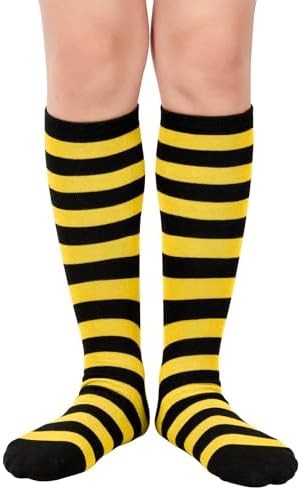
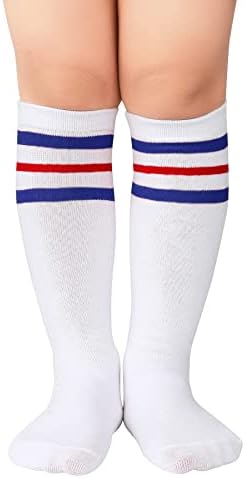
The shaped heel of a sock and the toe seam take the hardest wear inside a shoe. Washing them inside out protects the heel pad from direct friction in the machine cycle. Keep the wash gentle enough that the toe seam does not get pulled sideways against heavier items. When socks come out of the cold wash, smooth the foot flat with your hands before laying them to dry. Reshaping the sock while damp keeps the heel sitting where it belongs. A little care on the laundry line keeps the cuff firm on the calf through many wears.
- Our catalogue holds 153 pieces across eight sections of everyday knitwear and swimwear.
- Washing in cold water keeps the stretch in sock cuffs and waistbands from loosening.
- Laying heavy knitwear flat to dry keeps the shoulder seams and hems from pulling out.
- Fastening all hooks and clasps keeps prongs from snagging fine loops and toe seams.
- A knitted piece is finished when an expanded cuff stays slack and fails to recover.
Simple care keeps knitwear working well
We knit everyday pieces to be worn often and washed without fuss. Sorting by weight, washing cold, and drying flat keeps the cuffs holding the leg and the waistbands sitting flat. When you choose pieces from the storefront that carries our label, simple laundry habits keep them working as they should.
See sport socks