How to read a pair of tights
ZANDO knits 11 opaque and sheer tights, footless leggings, thigh high and knee high stockings across a catalogue of 153 pieces in 8 sections. Looking closely at the waistband, the toe and the yarn weight tells you how the cloth behaves before it goes on.
How yarn weight changes the cloth
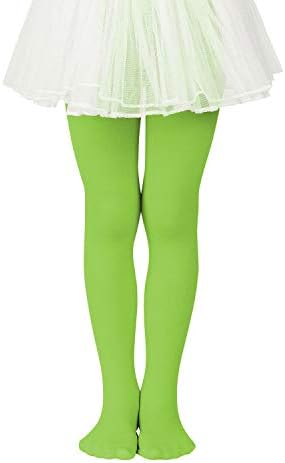
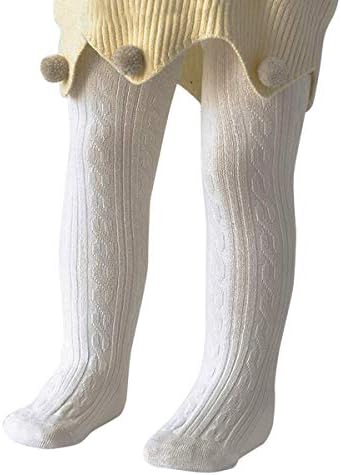
Opaque and sheer sit at two ends of the same scale. The difference comes down to how much yarn the machine knits into the same area. A heavy opaque cloth uses more yarn, so it holds its shape through regular wash cycles and obscures the leg beneath it. A light sheer cloth uses less yarn spread thin across the same needle count. That open knit catches on a rough fingernail or a split shoe lining. A sheer pair is worn a few times before a loop pulls loose, while an opaque pair lasts through cold weather. That difference is the nature of the yarn weight rather than a knitting fault.
Waistbands and how they are joined
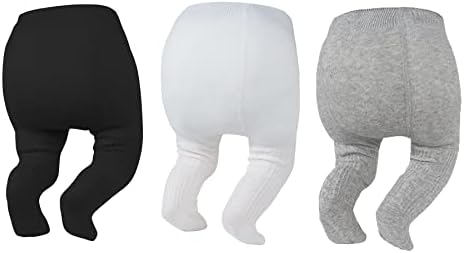
Look at the top edge of the waist before pulling the piece up. Some pairs finish with a wide separate band sewn directly onto the body. That separate band uses a tighter tension to hold at the waist without rolling down during movement. Other pairs have the waistband knitted continuous with the body of the garment. A continuous waistband has no joining seam at the top, which keeps the edge flat under thin skirts or fitted trousers. Neither method stretches out if you wash the piece in cold water and lay it flat to dry on a rack.
Reinforced toes and open sheer feet
Turn the foot inside out to check the toe seam. A reinforced toe doubles the yarn count across the front of the foot where the big toe presses against shoe leather. That heavier knit stops the friction of a shoe from wearing a hole through the front of the stocking. Other sheer styles run the same light cloth straight from the ankle over the toes to the seam. A toe with no reinforcement looks uniform in an open shoe, but the thin knit abrades faster against hard footwear. The choice depends entirely on what shoes go over the foot.
Bands on knee and thigh stockings
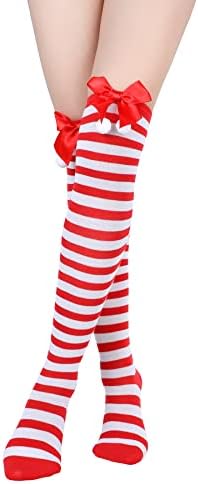
Stockings that stop at the leg need a way to stay up without a waistband. A knee high stocking relies on a deep band of knitted rib that grips the leg below the joint. That rib lets air move through while holding the top firm. Thigh high stockings use a wider top band lined with a strip of silicone on the inner face. The silicone sticks against the leg to keep the stocking from sliding down as the knee bends during walking. Both styles need to sit flat on the leg from the first pull so the top edge does not curl.
Hems on footless leggings and crops
A footless legging ends at the ankle or mid calf instead of wrapping the foot. Look at how the machine closes that bottom opening. A turned hem has a sewn row of stitches that secures the cut edge of the knit so it cannot run up the leg. A raw edge relies on a locked knit structure that will not fray without a bulky folded seam. The flat hem sits neatly inside winter boots without bunching under the heel. Washing in cold water keeps the elastic recovery in the lower cuff firm over months of wear.
- Our catalogue holds 153 pieces across 8 sections.
- ZANDO knits 11 opaque and sheer tights, footless leggings, thigh high and knee high stockings.
- An opaque pair uses more yarn in the knit than a sheer pair.
- Thigh high stockings use an inner silicone strip to hold position on the leg.
- Cold washing keeps the elastic yarn in waistbands and leg ribs from breaking down.
Looking after your knitwear
Every pair of tights leaves our machines ready for wear. Wash sheer and opaque pieces in cold water and dry them away from direct heat to keep the knit recovery intact. When completing a purchase on the storefront that carries our pieces, choose between opaque durability and sheer lightness based on what shoes and layers you plan to wear.
See tights & stockings