How a scarf is finished at the ends
The ends of a scarf take the tugging and the wash basin first. A woven piece has cut threads that need binding or fringe, while a knitted edge loops back into the cloth. Knowing how the ends are made tells you what will pull out over time.
Woven ends versus knitted cast off edges
A woven scarf is sliced from a longer length of cloth. Those cut warp threads want to fray as soon as the piece moves, so we must sew a turned hem, bind the raw end, or twist the yarns into fringe. A knitted scarf works differently on the machine. The final row is a cast off edge where each loop secures the loop beside it, making the finish part of the structure rather than an added hem. When a knitted edge pulls loose, it runs down the row. When a woven edge is left raw, individual threads pull free in the wash.
Straight scarves loops and wide wraps
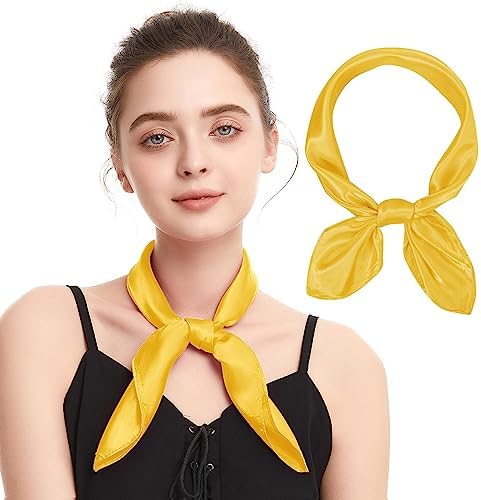
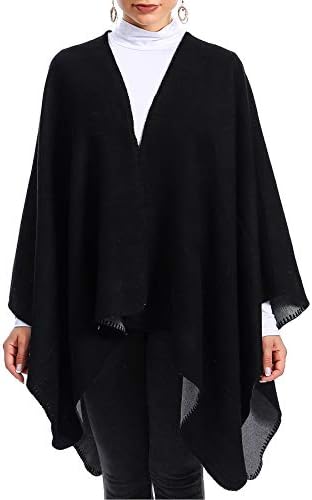
We make three main shapes across the line. A straight scarf is a single flat length that you wrap around the neck and knot by hand. An infinity loop joins the short ends together, giving you a continuous ring that drops over the head without any tying. A wrap is knitted or woven much wider so the fabric rests across both shoulders and hangs down the chest without slipping off. A straight scarf concentrates cloth at the collar, while a wide wrap spreads yarn across the back, changing where weight sits during the day.
Fringe knots seams and belt closures
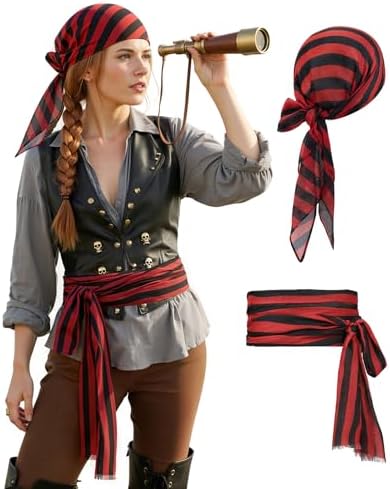
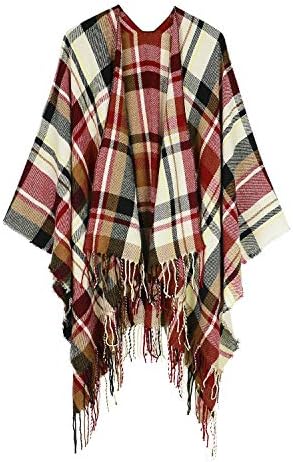
Take a close look at how the maker finished the edges. On a fringed scarf, twisted yarns with hand-tied knots stay together far better than raw threads cut straight across. On an infinity loop, check whether the ring is knitted on a circular cylinder or joined with a flat seam that sits behind the neck. We also make waist belts in this section to hold wider wraps close to the body. Some fasten with a metal buckle through punched holes, while soft belts simply tie around the waist over outer layers.
Loose open knits and moving air
A loose knit looks heavy and thick when you pick it up from the drawer. It holds plenty of yarn, but the open spaces between stitches mean cool air moves through the fabric when the wind picks up outside. That open structure makes a loose scarf great for crisp autumn mornings where you want light neck coverage without trapping excess heat indoors. If you need cloth that stops cold draft completely, a tight woven piece or a dense compact rib keeps air on the outside far better than an open stitch.
Caring for fringes and finished edges
The wash cycle is where loose threads and raw fringe catch on zippers and hardware. We recommend a gentle cold wash for all scarves and wraps, placing fringed pieces inside a mesh bag before they enter the water. Lay the piece flat on a towel to dry so wet weight does not stretch the knit out of shape. Running an iron over fringes is rarely needed if you smooth the damp yarns with your fingers right after washing, keeping the cast off edge flat and ready for wear.
- Our catalogue holds 153 pieces across 8 sections.
- Our scarves wraps and belts section contains 13 styles.
- A knitted cast off edge secures each yarn loop into the row beside it.
- An infinity loop joins both ends to form a continuous circle of knitwear.
- Loose open knit structures allow outdoor air to move through the stitch gaps.
Choosing the right scarf construction
Look at how the edges are secured before picking a piece for daily wear. A clean cast off knit edge or a knotted fringe lasts through regular cold wash cycles. When you find the construction you need, complete the purchase directly on the storefront that carries our pieces.
See scarves, wraps & belts